Based on your provided text, here are the chemical, physical, and packaging characteristics of the product, presented in bullet points.
Chemical and Physical Characteristics
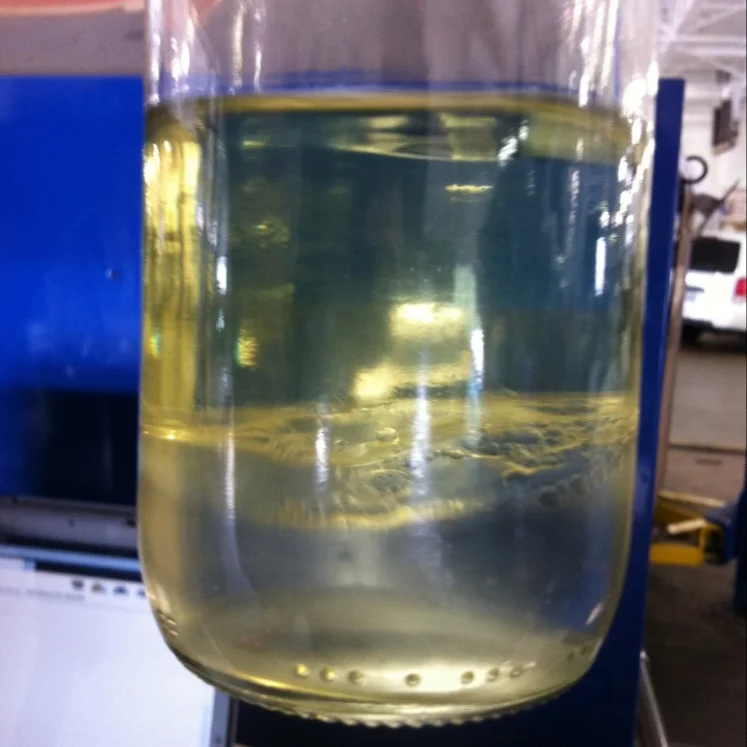
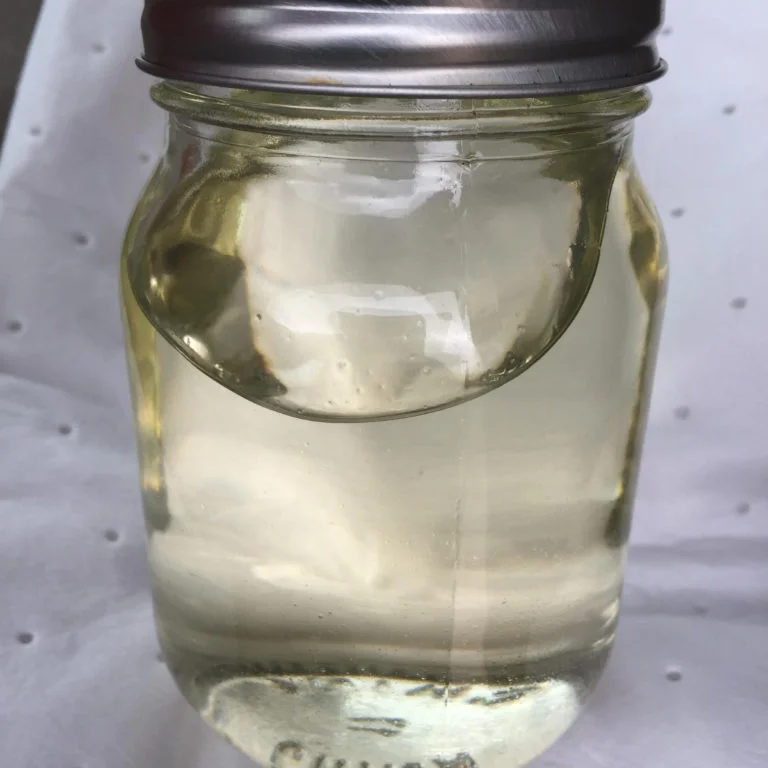
- Flavor and Odor: Bland
- Free Fatty Acid (as % palmitic): 0.10% Maximum
- Moisture & Impurities: 0.10% Maximum
- Color (Lovibond, 5 ¼” cell): 3.0R Maximum
- Iodine Value (Wijs’ method): 50–55
- Slip Melting Point (°C): 33–39°C
Storage & Packaging
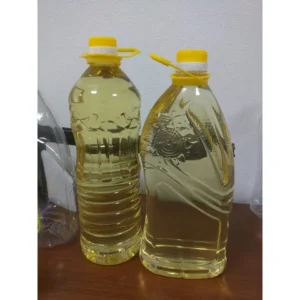
- Storage: Store in its original packing in a cool and dry condition, away from direct sunlight and substances with a strong odor.
- Available Packing Sizes:
- Tins: 2kg, 3 kg, 4kg, 5kg, 15kg, 16kg
- PE-lined Cartons: 15kg, 16kg, 20kg, 25kg
- Plastic Jerry Cans: 3L, 5L, 10L, 15L, 20L, 25L
- Drums: 190kg net screw-capped steel drums, 195kg net plastic drums
- Flexibag: 20 metric tons